Bring Nature’s Ancient Beauty to Life with Palaeobotanist Typography Print
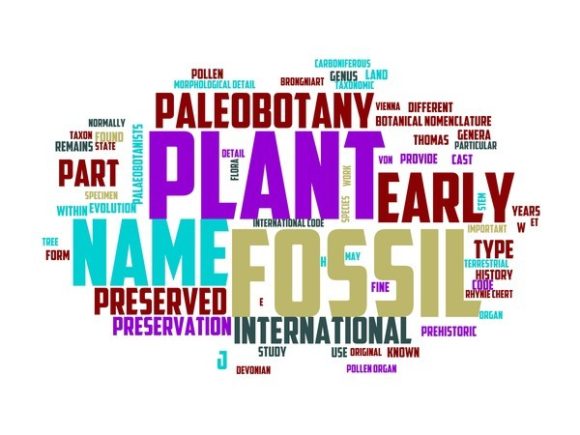
Imagine holding a t-shirt that whispers of ferns from the Carboniferous, a notebook adorned with fossilized leaves rendered in vibrant watercolor, or a ceramic mug where “spore,” “silica,” and “rhizome” bloom like living flora across its surface. That’s the quiet magic of the Palaeobotanist Typography Print — not just a design, but a bridge between deep time and everyday creativity. This isn’t botanical illustration in the traditional sense. It’s typography rooted in paleobotany: hand-drawn, richly colored, scientifically evocative wordclouds built from terms that shaped Earth’s green history.
More Than Words — A Visual Language of Deep Time
The Palaeobotanist Typography Print stands apart because every element serves dual purpose: aesthetic resonance and conceptual weight. Each word — whether “ginkgo,” “lycopsid,” “cuticle,” or “coal swamp” — is carefully lettered by hand, then layered into an organic, asymmetrical cloud. No rigid grids. No sterile sans-serifs. Instead, you’ll find looping stems, leaf-like serifs, subtle textures mimicking fossil impressions, and a palette drawn from soil strata, petrified wood, and spring moss.
This isn’t decorative filler. It’s meaningful ornamentation. When you choose “stomata” in bold ochre beside “pollen” in soft lavender, you’re not just adding color — you’re inviting curiosity. A child might trace the curl of a “cycad” glyph and ask what it is. A teacher might pin the print to a classroom wall as a silent prompt for a lesson on plant evolution. A textile designer might scale “vascular bundle” across a linen tote, turning anatomy into art.
Why Crafters, Designers, and Makers Reach for This Wordcloud
Its versatility is unmatched — and intentional. The Palaeobotanist Typography Print was created for real-world use, not just digital display. Its high-resolution vector and PNG files are optimized for both screen and print, with transparent backgrounds and clean edges that hold up at any size — from 8mm embroidery text on a denim jacket tag to a 48-inch mural behind a science café counter.
- Clothing & Accessories: Screen-printed on organic cotton tees, heat-transferred onto tote bags, or embroidered onto aprons — the wordcloud adds intellectual charm without shouting. Think lab-coat pockets stitched with “xylem” and “phloem,” or earrings shaped like magnified spores with micro-lettering along the curve.
- Home & Lifestyle Goods: Printed on ceramic mugs, pressed into soy-wax candles, silkscreened onto linen pillow covers, or laser-etched onto wooden coasters. The natural, earthy tone of the design harmonizes with minimalist interiors, boho studios, and nature-inspired retail spaces.
- Paper & Print Media: Used on invitation suites for botanical weddings, conference programs for geoscience symposia, educational posters for museum gift shops, or even chapter dividers in field guide e-books. Its readability at small sizes (thanks to thoughtful spacing and contrast) makes it ideal for business cards and library bookplates alike.
How It Fits Into Modern Creative Workflows
Today’s makers juggle speed, authenticity, and storytelling — all at once. Stock graphics often feel generic; custom illustration takes time and budget. The Palaeobotanist Typography Print lands right in the sweet spot: ready-to-use, deeply distinctive, and rich with narrative potential.
For digital designers, it integrates seamlessly into Canva, Adobe Illustrator, or Procreate. Layer it over photos of pressed ferns or chalkboard textures. Use clipping masks to wrap words around product mockups. Export individual terms as SVGs for animated web elements — watch “sporophyte” unfurl like a fern frond on a landing page.
For crafters working offline, the print shines in mixed media. Stamp the wordcloud onto handmade paper, then collage over select terms with dried moss or fern fragments. Trace letters onto fabric with water-soluble pen before free-motion embroidery. Or use it as a stencil for block printing on tea towels — each impression slightly imperfect, each variation telling its own story.
What Makes This Wordcloud *Inspiring* — Not Just Pretty
Inspirational design doesn’t shout “motivate!” — it creates space for reflection, connection, and discovery. The Palaeobotanist Typography Print does this by anchoring language in tangible history. “Coal” isn’t just a word — it’s a reminder of forests buried 300 million years ago. “Glossopteris” evokes continental drift. “Sporangium” invites wonder at reproduction older than flowers.
That resonance translates directly into product appeal. Customers don’t just buy a notebook — they buy a conversation starter. They don’t just hang a poster — they signal values: curiosity, sustainability, reverence for natural systems. Retailers report higher dwell time and social shares when products feature this print — especially in science centers, indie bookshops, university co-ops, and eco-conscious boutiques.
Practical Considerations Before You Use It
Before diving in, keep these real-world tips in mind:
- Color Mode Matters: For physical products, always use CMYK versions for professional printing. RGB works fine for digital use, but may shift when printed — especially deep greens and mineral reds.
- Scale With Intention: At very small sizes (under 12pt), prioritize legibility over density. Use the isolated-word files rather than the full cloud if clarity is critical — say, on a seed packet or jewelry tag.
- Licensing Is Flexible — But Clear: Most versions include commercial use rights, but check your license for specifics on print-on-demand platforms (like Redbubble or Printful), resale of derivative physical goods, or use in logo design. Some bundles allow unlimited product runs; others cap annual units.
- Pair Thoughtfully: This print carries quiet authority — avoid clashing it with loud, neon graphics or overly playful fonts. Pair instead with serif body text (think Garamond or EB Garamond), uncoated papers, natural fibers, and muted palettes that let the wordcloud breathe.
Where You’ll See It Thriving Today
Look closely at the rebranding of urban apothecaries — their new herbal tea labels often feature “trichome,” “terpene,” and “phytochemical” in delicate script inspired by palaeobotanical forms. Scroll through Etsy bestsellers: botanical-themed planners using this wordcloud as section headers. Flip through the latest issue of Taproot Magazine — its summer gardening spread opens with a blown-up “mycorrhiza” anchoring the layout.
It’s also gaining traction in education: middle school science teachers project scaled-up versions during evolution units; university herbariums use it on outreach postcards; even paleontology field camps embroider it onto their crew jackets — part badge, part inside joke, part homage.
And yes — it works beautifully on coffee cups. Not because it’s trendy, but because “xerophyte,” “stoma,” and “transpiration” feel unexpectedly grounding first thing in the morning. Like sipping from the source.
Getting Started Is Simple — And Satisfying
You don’t need a degree in botany or typography to use the Palaeobotanist Typography Print. Start small: drop one version into a Canva flyer for your next workshop. Print a test sheet on kraft paper and cut out words to arrange on a vision board. Stitch “fossil” onto a denim patch. Let the words guide you — not as decoration, but as collaborators in meaning-making.
Because at its core, this isn’t about filling space. It’s about honoring continuity — between ancient plants and modern hands, between scientific precision and artistic expression, between what grew in swamps millions of years ago and what we choose to carry, wear, and share today.