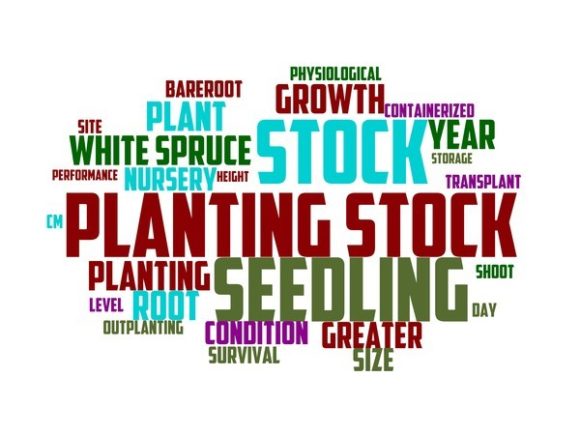
Nurseryman Typography Tshirt: A Hand-Drawn Wordcloud Resource for Thoughtful Designers
The Nurseryman Typography Tshirt is not a ready-to-wear garment—but a versatile, hand-drawn, colorful wordcloud design created specifically for designers, crafters, educators, and small-business owners who value authenticity and visual warmth in their projects. It’s a digital asset: a high-resolution, layered, scalable graphic built around organic letterforms, botanical-inspired flourishes, and intentionally uneven spacing—evoking the charm of vintage nursery labels and hand-lettered signage. Unlike algorithmically generated word clouds or rigid vector fonts, this design carries human texture: subtle ink bleed, varied line weights, and playful color shifts that respond gracefully to scaling and printing.
What Sets Nurseryman Typography Tshirt Apart From Other Word-Based Design Assets
Most wordcloud resources fall into two broad categories: automated tools (like WordClouds.com or TagCrowd) and commercial font families (such as display typefaces with “handwritten” or “rustic” styling). The Nurseryman Typography Tshirt occupies a distinct middle ground—it’s neither generative nor typographic. Instead, it’s a fixed, curated composition where words like “grow,” “tend,” “bloom,” “root,” “seed,” and “nurture” interlock visually—not by frequency or weight, but by rhythm, contrast, and spatial harmony.
This distinction matters in practice. Automated word clouds prioritize data visualization over aesthetic cohesion; they often produce cluttered, unreadable layouts when exported for apparel or packaging. Meanwhile, many handwritten fonts sacrifice legibility at small sizes or lack the nuanced color variation needed for textile printing or embroidery mockups. The Nurseryman Typography Tshirt avoids both pitfalls: its hand-drawn nature ensures character, while its intentional composition supports clear hierarchy—even when resized for a business card or enlarged for a wall mural.
Real-World Use Cases—and Where It Fits Best
Because it’s delivered as a layered vector (AI/EPS) and high-res PNG, the Nurseryman Typography Tshirt adapts cleanly across physical and digital applications. Here’s how it performs in common scenarios:
- Apparel & Textiles: Works well on cotton tees, tote bags, and aprons—especially when printed with water-based inks or screen-printed with spot colors. Its open negative space allows for clean halftone or distressed effects without losing definition.
- Home Décor & Stationery: Translates effectively to pillow covers, ceramic mugs, and framed prints. The color palette—soft sage, terracotta, cream, and muted indigo—is calibrated for interior cohesion, avoiding the oversaturation common in stock graphics.
- Promotional & Educational Materials: Frequently used in garden center signage, seed packet design, school gardening program flyers, and wellness retreat branding. Its tone strikes a balance between approachable and grounded—neither overly childish nor clinical.
- Digital Products: Appears in printable planners, e-book chapter dividers, and Canva templates designed for plant-based entrepreneurs. Because it’s not a font, users avoid licensing complications when embedding in PDFs or web assets.
Tradeoffs to Consider Before Choosing
No design resource is universally optimal—and the Nurseryman Typography Tshirt has clear boundaries. Its primary limitation is flexibility in wording: since it’s a fixed composition, swapping out individual words requires manual redrawing or careful layer masking in Adobe Illustrator or Affinity Designer. If your project demands dynamic text updates—say, rotating seasonal slogans or personalized names—it’s less efficient than a variable font or editable template.
It also assumes a baseline comfort with vector editing. While beginners can place and scale the file easily, adjusting color balance per layer or isolating elements for cut files (e.g., vinyl decals or Cricut projects) benefits from intermediate software familiarity. In contrast, some all-in-one design platforms offer drag-and-drop wordcloud builders with instant recoloring—but those rarely match the tactile nuance of a true hand-drawn piece.
Color reproduction is another practical factor. The design uses a carefully selected CMYK-friendly palette, but when printed on dark fabrics or metallic substrates, certain pastel tones may require underbase or spot-color separation—something to discuss with your print provider early in production.
How It Compares With Alternatives in Practice
Imagine you’re designing a set of seed packet labels for a native plant nursery. You have three options:
- A free online wordcloud generator: Fast, customizable text, but output lacks consistency in stroke weight and spacing—resulting in uneven readability across 20+ packet variants.
- A decorative script font: Lets you typeset any phrase, but loses the organic, “grown-not-made” feel central to your brand story—and may not hold up when laser-etched onto wooden tags.
- The Nurseryman Typography Tshirt: Offers immediate visual cohesion across all packets, with built-in botanical resonance. You’d pair it with a simple sans-serif for technical details (soil pH, sun needs), letting the wordcloud anchor emotional appeal.
In this case, the Nurseryman Typography Tshirt saves time on visual refinement while reinforcing thematic consistency—without demanding custom illustration work.
When It Makes Sense—and When It Doesn’t
The Nurseryman Typography Tshirt is strongest when your goal is intentional atmosphere, not infinite customization. It suits projects where tone, texture, and thematic resonance matter more than modular text replacement—think branding for a slow-living subscription box, a boutique greenhouse’s holiday collection, or a mindfulness journal series focused on growth metaphors.
Conversely, if you need rapid iteration across dozens of variations—like daily social media graphics with changing quotes—or are building a white-label toolkit for clients to edit freely, a parametric design system or licensed font family may serve better. Likewise, strictly minimalist or ultra-modern brands may find its gentle irregularity at odds with their aesthetic discipline.
Practical Integration Tips for Better Results
To maximize utility without overextending the asset:
- Use layers deliberately: Most versions include separate color groups (foliage, earth, sky, bloom). Isolate and recolor individual layers to adapt to seasonal palettes—e.g., swap sage for deep plum in autumn campaigns.
- Combine with neutral typography: Pair with a highly legible, low-contrast sans-serif (like Inter or Lato) for supporting text. This prevents visual competition and maintains accessibility.
- Test at intended size early: View the design at actual print dimensions—especially for small items like tags or magnets—to confirm word legibility before finalizing production files.
- Respect its scale range: It holds up well from 2" (embroidery patches) to 48" (wall posters), but avoid extreme compression—such as fitting the full composition into a 16px favicon—where detail dissolves.
A Resource Rooted in Craft—Not Just Convenience
Ultimately, the Nurseryman Typography Tshirt reflects a growing preference among designers and makers for assets with discernible origin and intention. It doesn’t promise speed above all else. Instead, it offers a starting point shaped by observation—of how plants grow in clusters, how words settle on a page, how color breathes across surfaces. That makes it especially valuable for those building long-term visual identities rather than one-off promotions.
If your work centers on care, cultivation, or quiet resilience—and you want design elements that feel considered, not assembled—the Nurseryman Typography Tshirt is worth evaluating alongside other word-based resources. Not as a universal solution, but as a thoughtful option for projects where authenticity isn’t decorative—it’s structural.