Outreach Worker Typography Background: A Vibrant, Versatile Design Resource for Meaningful Creation
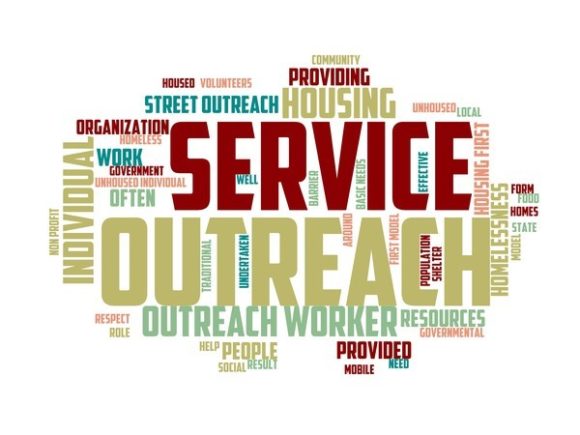
If you've ever searched for a design element that feels both purposeful and joyful—something that communicates compassion, connection, and community while still standing out visually—you’ve likely encountered the Outreach Worker Typography Background. It’s not just another decorative pattern. At its core, it’s a hand-drawn, colorful wordcloud built around themes of service, empathy, education, advocacy, and grassroots impact. Words like “listen,” “support,” “empower,” “connect,” “grow,” and “hope” swirl together organically—not as clutter, but as intentional visual storytelling. That makes it especially valuable for creators who want their products to resonate emotionally *and* functionally: whether printed on a tote bag for a nonprofit fundraiser, screen-printed on a workshop poster, or embedded into a teacher’s classroom notebook cover.
Why It’s More Than Just “Pretty” — And Why That Matters
Many people download the Outreach Worker Typography Background thinking it’s purely aesthetic—and stop there. But its real strength lies in its dual nature: it’s both expressive *and* communicative. Unlike generic geometric or abstract backgrounds, this one carries semantic weight. When used thoughtfully, it reinforces your message before a single sentence is read. A mental health advocate using it on a wellness journal cover signals care and intentionality. A youth program printing it on volunteer appreciation cards quietly affirms shared values. That alignment between form and function is what turns decoration into meaningful communication.
Common Missteps—and How They Undermine Your Goals
Unfortunately, several well-intentioned choices can dilute that impact—or even backfire:
- Assuming all versions are equal: Not every file labeled “Outreach Worker Typography Background” delivers the same quality. Some are low-resolution JPEGs with pixelated edges; others are raster-based and won’t scale cleanly for large-format posters or embroidery. Using those for professional print or textile applications often means blurry text, muddy colors, or costly rework.
- Overlooking color mode and contrast: The background is intentionally vibrant—but if you layer light-colored text directly over bright yellow or teal words without checking luminance contrast, readability suffers. This isn’t just a design flaw; it’s an accessibility oversight. On a conference banner or classroom handout, unclear messaging defeats the purpose entirely.
- Ignoring licensing scope: Many free downloads come with personal-use-only licenses. If you’re a small business owner adding this background to client-branded merchandise (e.g., custom mugs for a community center’s donor campaign), using an unlicensed version risks copyright issues—and undermines trust in your professionalism.
- Treating it as a standalone solution: Dropping the wordcloud onto a flyer without adjusting spacing, hierarchy, or supporting typography can make the layout feel chaotic rather than inspiring. The background is a foundation—not a finish.
What to Check Before You Download, Buy, or Apply
Before committing time or budget, ask yourself these practical questions:
- Is it vector-based (e.g., SVG or EPS) or high-res raster (300+ DPI PNG/TIFF)? Vector files scale infinitely—ideal for logos, signage, fabric prints, or laser-cut accessories. Raster files work fine for web use or small prints, but verify resolution specs first.
- Does the license explicitly allow commercial use? Look for clear language—not just “free”—that covers merchandising, digital distribution (e.g., e-book covers), and client projects. Reputable sellers include license summaries in product descriptions.
- Can you easily adjust colors or isolate elements? Some versions include layered PSD files or editable Illustrator layers. That flexibility lets you adapt the palette to match your brand or ensure sufficient contrast for body text.
- Are the words relevant to *your* audience? While “outreach worker” evokes social services broadly, your context matters. A public health educator might appreciate “vaccinate,” “screen,” and “prevent”; a literacy nonprofit may prefer “read,” “learn,” and “share.” If the word selection feels off, consider whether customization options exist—or whether a different thematic wordcloud would serve you better.
Better Approaches: Simple Shifts With Real Impact
You don’t need advanced design training to use the Outreach Worker Typography Background well—just awareness and intention. Here’s how experienced creators get consistent results:
- Start with purpose, not placement: Ask, “What action do I want this piece to inspire?” If it’s volunteer sign-ups, pair the background with a bold, clear CTA (“Join Our Team”) in a highly legible sans-serif—set against a subtle white or dark overlay to lift the text. Don’t let the beauty distract from the ask.
- Test before you commit: Print a 4×6 inch sample of your final layout—even on plain paper—to check color accuracy, text legibility, and overall balance. What looks lively on screen can feel overwhelming at physical scale.
- Use it where repetition builds recognition: Think beyond one-off items. Apply the same background across a suite—e.g., matching workshop handouts, thank-you cards, and digital slide headers. Consistency reinforces your mission visually, helping your audience connect the dots faster.
- Respect its rhythm: The hand-drawn quality invites warmth—but also implies imperfection. Avoid pairing it with ultra-rigid, corporate fonts or sterile layouts. Instead, choose friendly, open typefaces (like Quicksand, Nunito, or Montserrat Light) and generous white space to let the words breathe.
Final Thought: Let It Serve—Not Just Decorate
The Outreach Worker Typography Background shines brightest when treated as a tool for clarity and connection—not just ornamentation. Whether you're designing a handmade greeting card for a community mentor, branding materials for a new after-school program, or printable resources for educators, its value multiplies when aligned with thoughtful decisions about format, contrast, licensing, and intent. You don’t need perfection to begin. You just need to start with respect—for the design, your audience, and the meaningful work your creations represent.