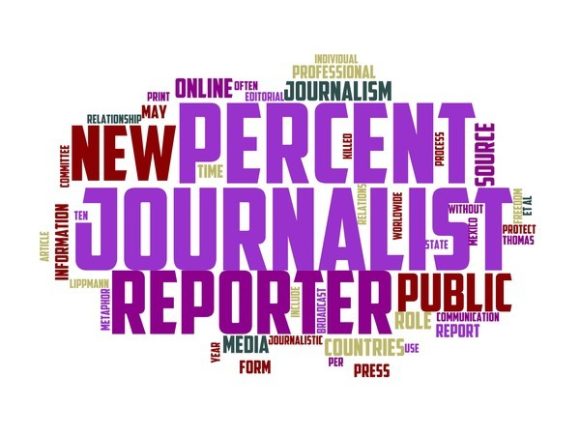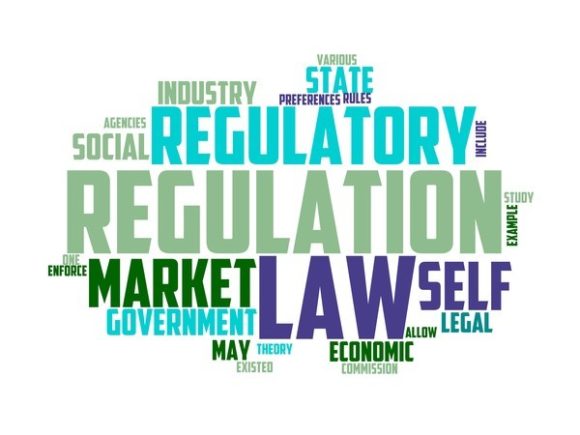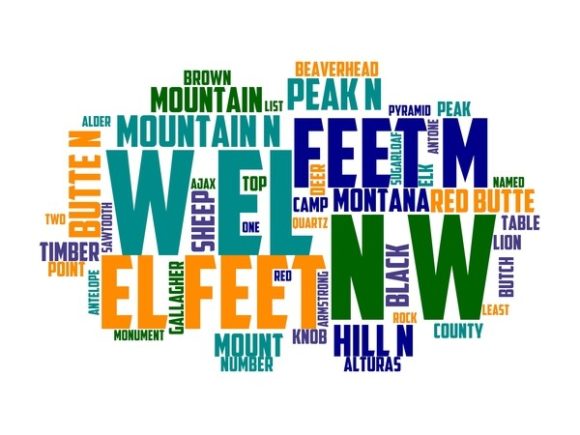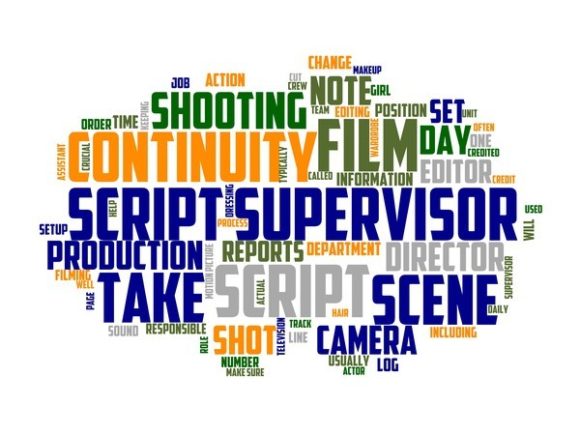
Picture Reseacher Typography Tie Dye
Picture Reseacher Typography Tie Dye is not just a visual motif—it’s a deliberate fusion of image-based research, expressive typography, and organic, hand-drawn color energy. At its core, it represents a method of translating meaning into form: words are selected with intention, arranged by relevance or emotional weight, and rendered in vibrant, flowing tie-dye palettes that feel both spontaneous and carefully considered. Unlike algorithmically generated word clouds, this style begins with human curation—what words matter to your audience? What tone do you want to evoke? What values should be legible at a glance? The result is a beautiful hand-drawn colorful wordcloud designed for real-world application—not as decoration alone, but as functional visual language.
Why Strategic Intent Matters More Than Aesthetic Appeal
When used without purpose, even the most vivid Picture Reseacher Typography Tie Dye can dilute messaging rather than strengthen it. A wordcloud placed on a workshop flyer without alignment to learning outcomes may distract more than inform. Similarly, applying it to a business card without considering brand voice or audience expectations risks mispositioning. The strategic value lies not in its vibrancy, but in how thoughtfully it reflects decision-making: which words were prioritized? Why those colors? What hierarchy emerges from size, placement, or saturation?
For educators designing classroom posters, Picture Reseacher Typography Tie Dye supports cognitive anchoring—reinforcing key concepts through repetition, contrast, and spatial relationship. For small business owners crafting packaging, it communicates ethos quickly: sustainability, joy, inclusivity, or craftsmanship—without relying solely on slogans or logos. Freelancers building digital portfolios use it to signal creative range while maintaining coherence across projects. In each case, the effectiveness hinges less on “how colorful” and more on “how aligned.”
Use Cases That Deliver Measurable Value
Picture Reseacher Typography Tie Dye excels where clarity, warmth, and memorability intersect. Consider these grounded applications:
- Promotional materials: Invitations for wellness retreats or creative workshops benefit from word selection that mirrors participant aspirations—“breathe,” “create,” “connect,” “pause”—rendered in calming gradients that support, rather than compete with, the message.
- Textile and product design: When printed on tote bags or scarves, the wordcloud becomes part of the wearer’s identity narrative. Choosing verbs over nouns (“grow,” “move,” “listen”) invites engagement beyond aesthetics.
- Educational printables: Teachers use customized versions to reinforce vocabulary themes—e.g., science units featuring “hypothesis,” “observe,” “analyze,” “reflect”—with size indicating conceptual weight, not frequency.
- Brand collateral: A boutique publisher might integrate Picture Reseacher Typography Tie Dye into book covers or series branding, using consistent typographic rhythm and limited color families to signal cohesion across titles.
What ties these uses together is intentionality—not random placement or decorative excess, but decisions rooted in audience insight, content goals, and medium constraints.
How to Approach It With Discipline, Not Just Design Tools
Start before opening any software or sketchbook. Ask three questions:
- What outcome do I want this to support? Is it recognition? Reflection? Action? Clarifying the desired effect determines word choice, density, and contrast.
- Who needs to understand this—and what do they already know? A wordcloud for internal team alignment will differ sharply from one meant for first-time customers. Jargon has its place—but only when shared context exists.
- Where will this live, and how will it be encountered? A poster viewed from six feet away requires larger, bolder elements than a notebook page meant for close reading. A cup handle demands vertical flow; a business card favors compact balance.
Then, move to execution. Begin with a tight list of 8–12 words—not 50. Group them by function: anchors (core values), actions (verbs that drive behavior), and descriptors (adjectives that shape perception). Sketch rough layouts by hand first. Test readability: cover half the design—does the central idea still emerge? Refine color based on psychology, not preference: warm tones advance, cool tones recede; high saturation commands attention, low saturation invites contemplation.
Risks of Misuse—and How to Avoid Them
The biggest risk isn’t poor execution—it’s misalignment. Picture Reseacher Typography Tie Dye applied without clear goals often ends up visually loud but conceptually hollow. You’ll see it in brochures where every buzzword appears with equal weight, obscuring differentiation. Or on social media banners where color clashes with platform UI, reducing legibility. Worse, it can unintentionally signal inconsistency—if your website uses minimalist sans-serif type but your merchandise features exuberant hand-drawn wordclouds with no stylistic bridge, audiences struggle to connect the dots.
Avoid this by treating the wordcloud as part of a system—not a standalone asset. Audit existing touchpoints: does the tone match? Do the colors harmonize with your palette? Does the word selection reflect current priorities—or outdated assumptions? Revisit annually. Language evolves. So should your visual vocabulary.
Long-Term Value Lies in Consistency, Not Novelty
Think of Picture Reseacher Typography Tie Dye as a living archive—not a one-off graphic. Each iteration documents a moment in your thinking, your strategy, your growth. A nonprofit tracking its mission evolution might maintain a series of wordclouds across grant cycles, showing shifts from “fundraise” and “report” toward “collaborate,” “amplify,” and “sustain.” A yoga studio could chart seasonal themes—“ground,” “restore,” “expand”—each rendered with subtle variations in line weight or hue that echo seasonal transitions.
This kind of continuity builds trust. Customers and collaborators begin to recognize not just the look, but the logic behind it. They learn that when certain words appear larger or brighter, something meaningful has shifted. That’s how visual language becomes strategic infrastructure—not decoration, but documentation.
Practical Planning Tips for Real Projects
Before commissioning or creating a new Picture Reseacher Typography Tie Dye piece, run this checklist:
- Define the primary action: Should someone pause? Sign up? Reflect? Share? Let that guide emphasis.
- Limit your palette to three base hues plus neutrals: This prevents visual fatigue and strengthens recall.
- Test grayscale first: If the composition holds without color, the structure is sound.
- Ensure at least one word is legible at thumbnail size: Critical for digital use, especially on mobile feeds or email previews.
- Save layered source files: Future adaptations—like translating the same concept to embroidery or foil stamping—require editable components.
Remember: speed matters less than fidelity to purpose. Rushing to “get it done” often means redoing it later. Investing two hours in word selection and layout saves days in revisions down the line.
Final Thought: It’s About Meaning, Not Medium
Picture Reseacher Typography Tie Dye gains power not because it’s trendy or colorful, but because it makes meaning visible—and shareable—in ways that resonate across formats and functions. Whether you’re designing a conference banner or illustrating a chapter opener for an e-book, its strength comes from grounding every curve, every hue, every word in a decision worth defending. Use it to clarify—not complicate. To invite—not overwhelm. To reflect who you are and what you stand for—not just what looks good today.
That’s how a hand-drawn colorful wordcloud stops being background noise and starts functioning as quiet authority.