Pasig Typography Tie Dye: A Hand-Drawn Word Cloud for Creative Applications
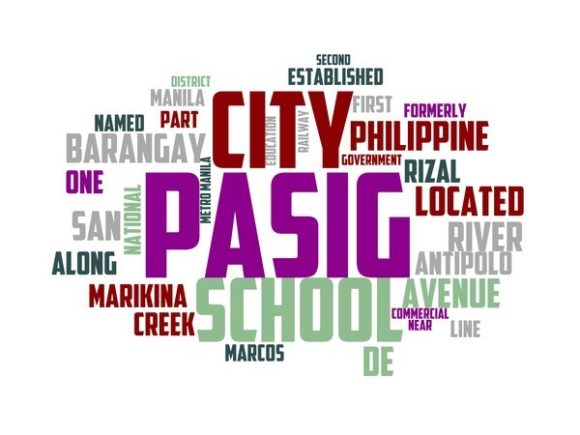
Pasig Typography Tie Dye refers to a distinctive, hand-drawn word cloud design characterized by vibrant, overlapping letterforms arranged in a fluid, organic layout. Unlike algorithmically generated word clouds, this version emphasizes artisanal execution—each word is individually crafted with expressive line weight, irregular spacing, and intentional color variation reminiscent of tie-dye dye diffusion. It is not software output; it is a vector-based or high-resolution raster asset created for flexible reuse across physical and digital media.
Designers, crafters, educators, small business owners, and DIY enthusiasts often seek assets like Pasig Typography Tie Dye when they need visual texture with semantic meaning. The composition includes positive, inspirational, or thematic words—such as “create,” “joy,” “bold,” “grow,” “vibrant,” or “together”—arranged to form a cohesive visual field rather than a ranked frequency chart. Its primary function is decorative and communicative: it conveys mood and message simultaneously, without relying on imagery or illustration.
Why Consider Pasig Typography Tie Dye?
There are several practical reasons someone might explore this design:
- Visual versatility: Its layered, colorful structure works equally well scaled large (e.g., wall posters or textile prints) or reduced (e.g., notebook covers or sticker sheets).
- Thematic resonance: Because the words are intentionally selected and hand-placed, the cloud supports specific narratives—motivation, community, creativity, wellness—without requiring custom copywriting.
- Craft-friendly format: Most versions are delivered as editable vector files (SVG, EPS) or print-ready PNGs with transparent backgrounds, making them compatible with cutting machines, screen printing setups, embroidery digitizing tools, and desktop publishing software.
- Time efficiency: For creators who lack typography or illustration skills but need a polished, handmade aesthetic, Pasig Typography Tie Dye offers a shortcut to authenticity without outsourcing design.
Benefits and Realistic Expectations
The main benefit lies in its hybrid nature: it bridges typographic clarity with expressive, non-repetitive visual rhythm. This makes it more legible—and therefore more usable—than abstract patterns, yet more distinctive than standard fonts or stock graphics. When applied to apparel, for example, it avoids the flatness of a single-font phrase while retaining readability at conversational distance.
However, expectations should be grounded. Pasig Typography Tie Dye is not a font family—it cannot be typed into documents or dynamically updated with new text. It is a fixed composition. If you need to change individual words, adjust hierarchy, or localize content (e.g., translate into Tagalog or Spanish), editing requires vector illustration proficiency or access to the original source file and designer collaboration.
Color fidelity is another consideration. While the design uses bright, saturated hues, printed results depend on substrate, ink type, and color profile management. On dark fabrics or low-gamut paper, some contrast may be lost unless the file includes a white underbase or knock-out layer—check the product specifications before purchase.
Situations Where It Fits Well
This word cloud excels in contexts where atmosphere and intention matter more than strict information hierarchy. Examples include:
- Community-driven initiatives—such as school art fairs, neighborhood festivals, or nonprofit campaigns—where warmth and inclusivity are central to messaging.
- Product lines targeting creative self-expression, like journals, tote bags, or ceramic mugs sold through Etsy or local markets.
- Classroom or workshop materials where visual engagement supports learning themes (e.g., a “growth mindset” poster in an elementary classroom).
- Brand collateral for small studios or solopreneurs whose identity balances professionalism with approachability—especially in wellness, education, or maker-oriented sectors.
In these cases, Pasig Typography Tie Dye serves as a unifying visual motif that reinforces tone across touchpoints: a banner at an event, matching stickers for participant kits, and a section header in a downloadable guide can all share the same underlying composition, creating consistency without repetition.
When Alternatives May Be More Suitable
Not every project benefits from a dense, multi-word composition. Consider alternatives if:
- You require precise typographic control. For branding systems needing strict font pairing, kerning adjustments, or responsive web text, a custom type treatment or variable font remains more adaptable.
- Your audience prioritizes scannability over ambiance. In signage, technical documentation, or accessibility-critical materials, clear hierarchy and sufficient contrast are non-negotiable—Pasig Typography Tie Dye’s intentional density may hinder quick comprehension.
- You’re working with tight production constraints. Embroidery, foil stamping, or laser engraving often impose minimum line thickness or color count limits. Some Pasig Typography Tie Dye variants exceed those thresholds unless simplified first.
- You need multilingual or frequently updated content. A static word cloud doesn’t scale for dynamic applications like websites with real-time feeds or rotating campaign slogans.
Making an Informed Choice
Evaluating Pasig Typography Tie Dye starts with clarifying your core need: Is it primarily about evoking a feeling, reinforcing a theme, or solving a functional problem? If the answer leans toward emotion or identity—particularly in tangible, craft-based outputs—it’s worth reviewing available versions for compatibility with your tools and workflows.
Check whether the license permits commercial use, modification, and redistribution—especially if you plan to resell finished goods (e.g., printed pillows or enamel pins). Also verify resolution and format: SVG is ideal for scalable use in Cricut or Silhouette software; 300 DPI PNG suits screen printing; layered PSD files help with selective recoloring.
Compare delivery scope too. Some offerings include only the main composition; others bundle complementary elements—a simplified monochrome variant, isolated words for reassembly, or coordinating borders and icons. These additions increase flexibility but aren’t essential for every use case.
Finally, consider your capacity for customization. If you’re comfortable adjusting paths in Illustrator or applying layer styles in Photoshop, minor tweaks (like swapping one word or shifting saturation) extend usability. If not, opt for a version with built-in variations—or pair it with a simple sans-serif headline to anchor the layout visually.
Pasig Typography Tie Dye occupies a specific niche: it is neither generic nor fully bespoke, but sits between—offering hand-crafted distinction with practical reuse potential. Its value emerges most clearly when matched to projects where human-centered expression matters, and where the time saved in sourcing versus creating pays measurable dividends in cohesion and impact.